Group Fitness or Solo Workouts? Make The Best Choice For You
When it comes to working out, everyone has their own preferences. Some enjoy the camaraderie and energy of group fitness classes, while others prefer the peace and control of exercising alone. It’s a personal choice, but understanding the pros and cons of both group fitness and solo workouts can help you decide which approach fits your style best. Whether you’re new to exercise or looking to change your routine, working out whether group fitness or solo workouts will keep you most engaged and on track is key.
The Benefits of Group Fitness Classes
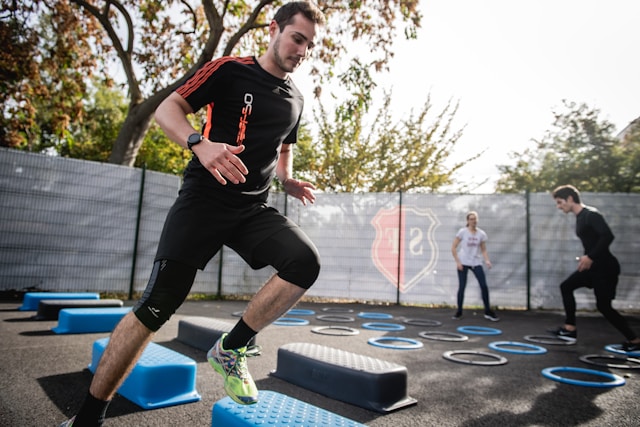
Group fitness classes can be a fantastic way to stay active, especially if you thrive on social interactions. These classes range from high-energy spin sessions to more calming yoga practices, so there’s usually something to suit everyone’s taste.
Advantages of Group Fitness:
- Motivation from Others: In group fitness, the energy of the people around you can be incredibly motivating. When others are working hard, it’s difficult not to push yourself that little bit further. This collective drive is one of the main reasons many people stick to group fitness.
- Guidance from a Trainer: Group fitness classes are led by professional instructors, which means you don’t need to worry about planning your workout. The trainer designs a routine that’s structured and balanced, allowing you to focus on completing the exercises.
- Accountability: Knowing that you’re expected to show up to a scheduled class can help you stay committed to your fitness goals. Once you’ve booked a session, it’s harder to back out, especially when you know others are counting on your presence. This accountability can be a huge help for people who find it challenging to stay consistent on their own.
- Social Aspect: Group fitness often attracts a community of regular attendees, which can be a big plus if you like to socialise. You might find yourself building friendships and looking forward to the classes more because of the people you meet, not just the exercise itself.
Downsides of Group Fitness:
- Less Flexibility: Group fitness classes usually run on a fixed schedule, which might not always align with your personal timetable. If your schedule is unpredictable or changes frequently, it can be difficult to consistently attend classes.
- Limited Personalisation: While a group class offers structure, it might not always be tailored to your specific needs. Group fitness instructors aim to cater to everyone in the class, so if you have unique goals or physical limitations, a more personalised approach may be better.
- Pressure to Keep Up: While some people find the group environment motivating, others might feel pressured to keep up with the pace of the class. This can lead to feelings of frustration or discomfort, especially if you’re just starting out or prefer a slower pace.

The Perks of Solo Workouts
Solo workouts give you the ultimate control over your routine, offering a more flexible and independent approach. Whether you prefer to hit the gym, go for a run or work out from home, solo workouts provide you with the space and freedom to focus entirely on yourself.
Benefits of Solo Workouts:
- Full Control: One of the major perks of solo workouts is the complete control over what you do and when you do it. Unlike group fitness, where you’re on someone else’s schedule, solo workouts allow you to fit exercise into your day when it’s most convenient for you.
- Customised Routines: With solo workouts, you can tailor your exercises to your exact fitness goals and needs. Whether you want to focus on strength training, cardio or flexibility, you can build a routine that suits you perfectly.
- Work at Your Own Pace: Exercising alone means you can go at your own pace. You don’t need to worry about keeping up with others, and this can be particularly beneficial if you’re recovering from an injury or just starting out. You can focus on perfecting your form and gradually building your strength and endurance.
- No Distractions: For some people, group fitness can be a bit too distracting. With solo workouts, you have the chance to completely immerse yourself in your routine, concentrating fully on each movement without the noise or distractions of a busy class.
Challenges of Solo Workouts:
- Less Motivation: While some people thrive on the independence of solo workouts, others may struggle with motivation. Without the external accountability of a scheduled class or the encouragement of a group, it can be easier to skip workouts or cut them short. Staying consistent requires a higher level of self-discipline.
- Monotony: Solo workouts can sometimes become repetitive if you’re not regularly updating your routine. Without the variety that group fitness classes often offer, solo workouts can feel a bit monotonous, which could lead to boredom and a loss of motivation.
- No Professional Guidance: When working out alone, you don’t have the benefit of a trainer or instructor correcting your form or giving advice on how to improve. This lack of guidance can sometimes lead to improper technique or less effective workouts.
Deciding Between Group Fitness and Solo Workouts
Deciding whether to choose group fitness or solo workouts depends on what keeps you motivated and helps you reach your fitness and lifestyle goals. For some, the energy and social interaction of group fitness are essential to maintaining a regular workout routine. For others, the freedom and personalisation of solo workouts are more suited to their fitness style.
There’s no rule that says you must stick to one or the other. You might find that a mix of both group fitness and solo workouts keeps things interesting. For example, you could join a group fitness class once or twice a week to enjoy the motivation and variety, while reserving other days for solo workouts where you can focus on your specific fitness goals at your own pace.
The most important thing is to find a workout style that keeps you engaged and moving towards your fitness objectives. Whether you thrive in a group fitness class or prefer the independence of a solo workout, staying active is what matters most.