
The Ripple Effect: How The Influx Of Overseas Migrants Is Reshaping Australia’s Property Landscape
As we approach the final quarter of 2024, Australia’s property market continues to evolve, shaped by myriad factors. One of the most significant influences has been the steady influx of overseas migrants, which has created ripples across various sectors of the Australian economy, particularly in the realm of real estate.
The Numbers Tell a Story
Recent data from the Australian Bureau of Statistics reveals that net overseas migration has reached unprecedented levels. In the year ending June 2024, Australia welcomed over 500,000 new residents from abroad, a figure that surpasses pre-pandemic projections. This surge in overseas migrants has had a profound impact on the property landscape, influencing everything from housing demand to rental markets and investment patterns.
Housing Demand Skyrockets
The influx of overseas migrants has led to a significant uptick in housing demand across major Australian cities. Sydney and Melbourne, traditionally the first ports of call for new arrivals, have seen particularly intense competition for properties. This increased demand has put upward pressure on house prices, with some suburbs experiencing double-digit growth in median house values over the past 12 months.
Rental Markets Under Pressure
The rental sector has perhaps felt the most immediate impact of the overseas migrants influx. Vacancy rates in capital cities have plummeted to historic lows, with some areas reporting rates below 1%. This scarcity has driven rental prices upwards, creating challenges for both local renters and newly arrived migrants seeking accommodation.
Regional Areas Gain Traction
Interestingly, the distribution of overseas migrants has not been limited to major metropolitan areas. Regional centres have also seen an uptick in international arrivals, partly due to government initiatives to encourage settlement outside of capital cities. This trend has breathed new life into some regional property markets, with towns like Ballarat in Victoria and Orange in New South Wales experiencing renewed interest from both migrants and investors.
Investment Patterns Shift
The influx of overseas migrants has also influenced investment patterns in the property market. There’s been a noticeable increase in offshore investment, particularly from countries with strong migratory ties to Australia. This has led to a surge in off-the-plan purchases and a renewed interest in high-density living options, especially in areas close to educational institutions and employment hubs.
Infrastructure Plays Catch-Up
The rapid population growth fueled by overseas migrants has put significant pressure on existing infrastructure. State and local governments are scrambling to keep pace, with numerous projects underway to improve transport links, expand schools and enhance community facilities. These infrastructure developments are in turn influencing property values and investment decisions.
The Construction Sector Booms
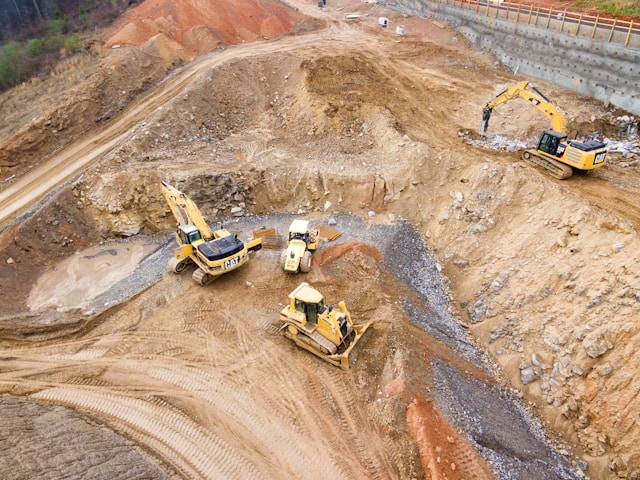
To meet the increased housing demand brought about by overseas migrants, the construction sector has kicked into high gear. New apartment complexes and housing estates are springing up across the country, with a particular focus on medium-density developments that cater to a range of household sizes and budgets.
Cultural Diversity Shapes Neighbourhoods
The influx of overseas migrants is not just changing the numbers; it’s also reshaping the cultural fabric of many neighbourhoods. This cultural shift is reflected in the local property markets, with increased demand for homes that can accommodate multi-generational living or properties close to specific cultural amenities.
Challenges and Opportunities
While the influx of overseas migrants has undoubtedly brought vitality to the property market, it has also presented challenges. Housing affordability remains a pressing issue, with concerns that the rapid price growth may be locking out first-time buyers and lower-income households.
However, with challenges come opportunities. The property sector is adapting to meet the diverse needs of new arrivals, leading to innovations in housing design, financing options and property management practices.
Looking Ahead
As we look towards 2025 and beyond, it’s clear that the influence of overseas migrants on Australia’s property landscape will continue to be significant. Policy makers, industry stakeholders and communities will need to work together to ensure that the benefits of this demographic shift are maximised while addressing the challenges it presents.
The Australian property market has always been dynamic, but the current influx of overseas migrants is reshaping it in unprecedented ways. For those involved in the property sector – whether as investors, developers, or simply as residents – understanding these changes is crucial. The ripple effect of overseas migration is touching every corner of the Australian property landscape, creating a new reality that will define the market for years to come.
In this evolving landscape, staying informed and adaptable is key. Whether you’re looking to invest, buy a home or simply understand the changes in your local community, the impact of overseas migrants on the property market is a factor that cannot be ignored. As Australia continues to welcome new residents from around the globe, the property sector will undoubtedly continue to transform, reflecting the changing face of the nation.



I just bought a new apartment in a complex that is still being built and let me tell you the guys working there are the sweetest, politest people I have ever met. They are all migrants and as far as I am concerned they are very welcome here and have added value to our country through hard work and dedication. Every country has migrants, it’s always been like that so people who get upset about them have no right to do so and should instead be thankful for the contribution that these migrants make to our society and infrastructure.
I come from a family of migrants and my grandparents built a successful property maintenance business that still exists today. It has given our family a secure income for generations and will do for many years to come. I will always feel grateful for the opportunities afforded to my ancestors but it wasn’t without sacrifice and struggle on their part, they had to put up with a lot and fight for their right to thrive here.
My business could not exist without the support of the wonderful migrants who work for me. In return for their hard work I pay them a good salary and provide excellent benefits. I could never take advantage of anyone just because they come from a different country, why do some people see that as grounds to pay people less or give them no rights. It is appalling. Hope the government bring in tighter regulations on this.
Anytime anyone complains to me about migrant’s I say to them…Find me a country that has no migrants. Right…there isn’t one. This whole world is made up of people who were born in one country but moved to another for what ever reason and that is exactly what is happening here. Migrants come here looking for a better life and in return we provide them with jobs and good rates of pay. It’s a fair deal for all sides. We just need people to stop judging others by their heritage and or the colour of their skin, we are all human beings after all
I really don’t care what nationality the guys who build my house as long as they do it right and safe that’s all that matters. Plus if there are jobs that Aussies don’t want to do themselves there’s surely no other choice but to employ folks from overseas?
Our country would be nowhere without immigrants. Even the prisoners that were sent here from Europe were immigrants, just in a different way. Look at how far Australia has come since then, the country is unrecognisable. It is thriving thanks to immigration. We are a huge country, we have room for many more people. The government just needs to provide the infrastructure so that we all have the space and facilities we need to live humanely.
Me and my brother came to this country for a new start and a better way of life. We were welcomed by residents on the whole but there are a few who still differentiate us from others. I hope one day they will allow us to fully integrate but overall we have a great life here and my kids will grow up with a far better quality of life than if we’d stayed at home.