Sustainable Living and Minimalism: A Lifestyle Rethink
The pandemic has caused many of us to pause and rethink how we live. With long stretches spent at home, a shift in perspective has emerged. More people are now prioritising sustainable living and minimalism, focusing on the essentials and re-evaluating what really matters. It’s a movement towards living with intention, making more mindful consumer choices and embracing a simpler, more eco-friendly lifestyle. This trend isn’t just a passing phase. It reflects a broader realisation that living sustainably and minimally can lead to a more fulfilling, balanced life.
The Art of Decluttering
Minimalism is often misunderstood as simply living with as few possessions as possible. In reality, it’s about reducing excess and creating space for what brings true value to your life. Decluttering is often the first step. With more time on our hands during lockdown, many have used this opportunity to clear out their wardrobes, cupboards and garages, rediscovering forgotten corners of their homes.
Decluttering goes beyond a tidier home. It encourages a mental reset. A clutter-free environment often leads to clearer thinking, less stress and a greater sense of calm. But it’s not about getting rid of everything. Instead, it’s about keeping what adds value and purpose. The focus is on intentional ownership—surrounding yourself with items that serve a function or bring genuine joy.
Decluttering also ties into the sustainability aspect of minimalism. By reducing what we own and making do with less, we naturally consume fewer resources. It’s a lifestyle shift that leads to less waste, reduced consumption and ultimately a lighter impact on the planet.
Sustainable Living: A Conscious Choice
Sustainable living is about making choices that reduce our environmental footprint. This can mean anything from switching to reusable shopping bags and eco-friendly cleaning products to choosing locally sourced, organic food. It’s not about perfection but progress—making changes, however small, that collectively add up to a more sustainable lifestyle.
The pandemic has heightened awareness of our impact on the planet. With the sudden drop in travel, we witnessed an unprecedented improvement in air quality and a resurgence of wildlife in some areas. These visible changes have prompted many to consider how we can maintain this positive environmental impact moving forward.
Minimalism and sustainable living go hand in hand. When we choose to buy less, we consume fewer resources. When we opt for sustainable products, we contribute to an eco-friendlier economy. It’s a cyclical relationship that benefits both us and the planet. The key is to start small—perhaps by switching to a bamboo toothbrush or reusable coffee cup—and build from there.
Mindful Consumerism: Buying With Purpose
A crucial element of sustainable living and minimalism is mindful consumerism. Instead of mindlessly purchasing items on impulse, we are encouraged to think carefully about what we buy. Do we really need it? Will it last? Is it sustainably made?
Lockdown has certainly changed how we shop. With non-essential stores closed, people have been forced to reassess their buying habits. Many have realised that a lot of the items they once thought they needed were, in fact, unnecessary. This shift towards buying less but buying better is central to both sustainable living and minimalism.
Investing in high-quality, durable products is a more sustainable living choice in the long run. Yes, the initial cost may be higher, but a well-made product will last longer and reduce the need for replacements. From clothes to household goods, this approach not only cuts down on waste but also encourages a slower, more intentional way of living.

The Minimalist Home: A Haven of Calm
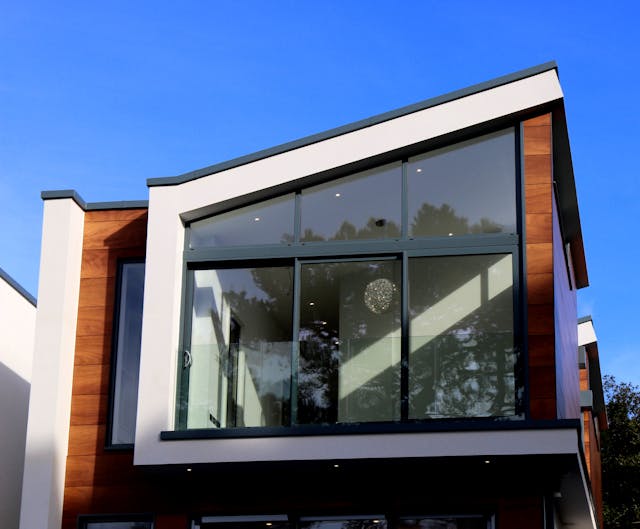
Our homes have never been more important. For many, they’ve become offices, classrooms and sanctuaries all in one. Creating a minimalist home isn’t just about aesthetics. It’s about creating a space that feels calm, clutter-free and functional.
One of the key principles of minimalism is that every item should have a purpose. This doesn’t mean your home needs to be stark or devoid of character. On the contrary, a minimalist home can be warm and inviting. The focus is on quality over quantity—fewer well-chosen pieces that you genuinely love and use.
When it comes to furniture, opting for timeless, sustainably-made pieces ensures that your home not only looks good but aligns with the principles of sustainable living. Natural materials like wood, linen and stone tend to last longer and have a lower environmental impact. Plus, they add a sense of warmth and connection to nature, enhancing the overall tranquillity of your space.
Intentional Living: Less is More
At their core, both sustainable living and minimalism advocate for intentionality. It’s about slowing down, reassessing what truly matters and making more thoughtful choices—whether that’s about what we buy, how we live or the way we treat the planet. The pandemic has given many of us the time and space to reflect on these aspects of our lives.
Living minimally and sustainably doesn’t require an all-or-nothing approach. It’s a gradual process of making changes that fit your lifestyle and values. Whether you’re decluttering your home, switching to eco-friendly products, or simply being more mindful about your purchases, the goal is the same: to live more intentionally with less and in a way that has a positive impact on the world around us.
By focusing on quality over quantity, embracing sustainable living and simplifying our lives, we can reduce stress, waste and environmental damage. In return, we gain more time, space and peace of mind—things that are truly worth cherishing.