Vertical Gardening: Maximising Green Space in Urban Homes
Living in the city doesn’t mean you have to sacrifice your love for gardening. With urban spaces becoming increasingly compact, many green-thumbed enthusiasts are turning to vertical gardening as a solution. This innovative approach to cultivating plants is perfect for those who want to bring a touch of nature into their homes without sacrificing precious floor space.
What is Vertical Gardening?
Vertical gardening is the practice of growing plants on vertically suspended panels or in stacked containers. This method allows you to create lush, green spaces on walls, balconies or even indoors. It’s an excellent way to maximise your growing area, especially if you’re short on horizontal space.
The Benefits of Vertical Gardening
There are numerous advantages to incorporating vertical gardening into your urban home:
- Space Efficiency: By utilising vertical space, you can grow more plants in a smaller area.
- Improved Air Quality: Plants naturally filter the air, removing toxins and producing oxygen.
- Aesthetic Appeal: A well-designed vertical garden can serve as a stunning living artwork in your home.
- Increased Privacy: Outdoor vertical gardens can create natural screens, offering privacy from neighbours.
- Noise Reduction: Plants can help absorb sound, creating a quieter living environment.
- Temperature Regulation: Green walls can help insulate your home, potentially reducing energy costs.
Getting Started with Vertical Gardening
If you’re keen to try vertical gardening, here are some steps to help you begin:
1. Choose Your System
There are various vertical gardening systems available:
- Pocket Planters: Fabric pockets that hang on a wall or fence.
- Trellis System: Perfect for climbing plants like vines or beans.
- Modular Wall Planters: Stackable containers that can be arranged in different configurations.
- Hydroponic System: Soil-free setup that uses nutrient-rich water to grow plants.
Select a system that suits your space, budget and gardening experience.
2. Select the Right Location
When choosing a spot for your vertical garden, keep in mind the following:
- Light: Most plants need at least 6 hours of sunlight daily. If you’re gardening indoors, you might need to supplement with grow lights.
- Water Access: Ensure you can easily water your plants without making a mess.
- Wall Strength: If you’re mounting your garden on a wall, make sure it can support the weight.
3. Pick Your Plants
Not all plants are suitable for vertical gardening. Some excellent choices include:
- Herbs: Basil, mint, thyme and rosemary thrive in vertical gardens.
- Succulents: These low-maintenance plants are perfect for beginners.
- Ferns: Many fern varieties adapt well to vertical growing conditions.
- Vegetables: Lettuce, spinach and cherry tomatoes can be grown vertically.
- Flowering Plants: Petunias, impatiens and begonias add colour to your vertical garden.
- Grasses: Many types of grass will grow well vertically. Consult a turf company in Plano for more information.
Mix and match plants with similar care requirements for best results.
Maintaining Your Vertical Garden
To keep your vertical garden thriving:
- Water Regularly: Vertical gardens often dry out faster than traditional gardens. Check moisture levels daily.
- Fertilise Appropriately: Use a balanced, water-soluble fertiliser every 2-4 weeks during the growing season.
- Prune and Trim: Regular pruning keeps plants healthy and prevents overgrowth.
- Monitor for Pests: Inspect your plants regularly for signs of pests or disease.
- Rotate Plants: If some areas of your vertical garden receive more light, rotate plants to ensure even growth.
Advanced Vertical Gardening Techniques
As you become more comfortable with vertical gardening, you might want to explore advanced techniques:
Hydroponics
Hydroponic vertical gardens use a nutrient-rich water solution instead of soil. This method can lead to faster growth and higher yields. It’s particularly useful for growing vegetables and herbs indoors.
Aquaponics
This system combines fish farming with plant cultivation. The fish waste provides nutrients for the plants, while the plants filter the water for the fish. It’s a fascinating eco-system that can be set up vertically.
Living Walls
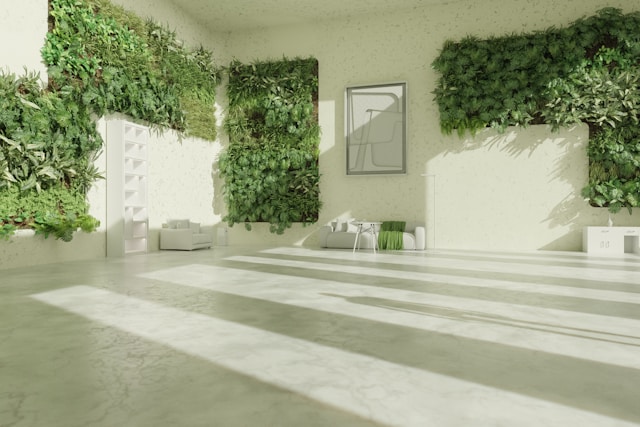
For those ready to take on a larger project, living walls are stunning vertical gardens that can cover entire walls. They require careful planning and often professional installation, but the results can be breathtaking.
Urban Gardening into the Future
As cities continue to grow and green spaces become more precious, vertical gardening is likely to play an increasingly important role in urban agriculture and home decor. Innovations in technology and design are making it easier than ever to create beautiful, productive vertical gardens in even the smallest spaces.
Vertical gardening offers a creative solution to the challenge of limited space in urban homes. Whether you’re looking to grow your own herbs, create a stunning green feature wall or simply bring more nature into your living space, vertical gardening provides a versatile and rewarding way to do so. By thinking vertically, you can transform any wall or fence into a thriving garden, proving that you don’t need a large plot of land to enjoy the benefits of gardening. So why not give vertical gardening a try? Your urban home might just become the lush, green oasis you’ve always dreamed of.