Autumn Budget 2021: Key Changes That Will Affect Your Wallet
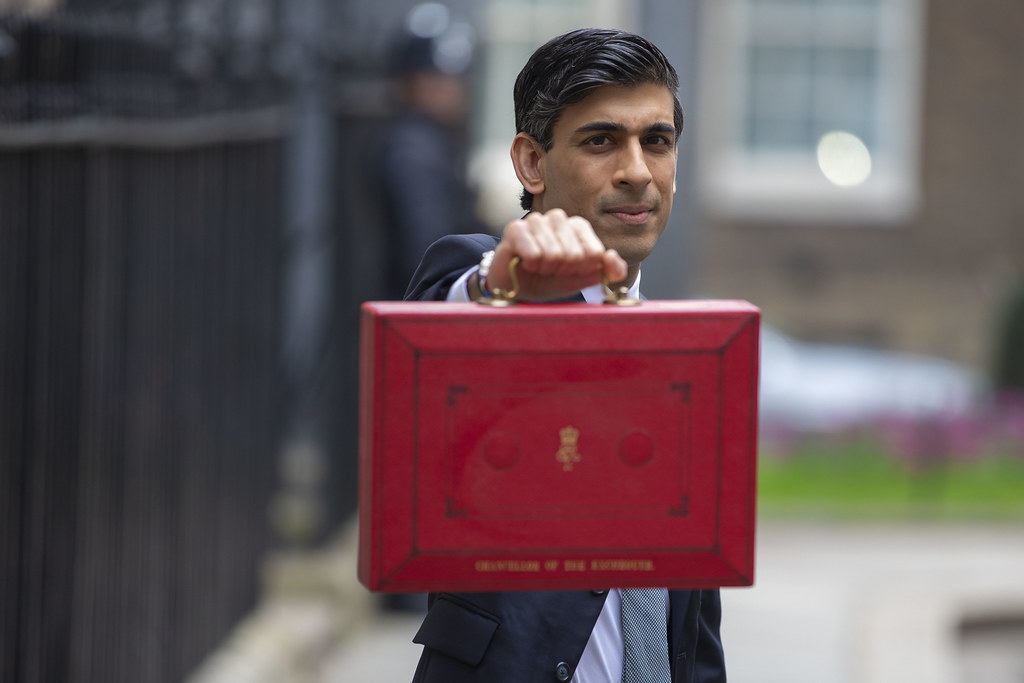
The Chancellor of the Exchequer, Rishi Sunak, yesterday unveiled the Autumn Budget 2021, and it’s packed with changes that will impact your finances. From wage increases to tax adjustments, let’s break down the key points that will affect your money.
National Living Wage Set to Rise
One of the headline announcements in the Autumn Budget 2021 is the increase in the National Living Wage. From April 2022, workers aged 23 and over will see their minimum hourly rate rise from £8.91 to £9.50. This 6.6% boost is more than twice the current 3.1% rise in the cost of living.
But it’s not just those on the National Living Wage who’ll benefit:
- 21-22 year olds: £8.36 to £9.18
- 18-20 year olds: £6.56 to £6.83
- 16-17 year olds: £4.62 to £4.81
- Apprentices: £4.30 to £4.81
Universal Credit Taper Rate Cut
The Autumn Budget 2021 brings good news for Universal Credit claimants who are in work. The taper rate, which is the amount of benefit taken away for every £1 earned, will be reduced from 63p to 55p. This change means working claimants will keep more of their earnings.
Additionally, work allowances will be increased by £500 a year. These changes will come into effect no later than 1 December 2021, allowing claimants to benefit from the adjustments before Christmas.
National Insurance and Dividend Tax Hike Confirmed
The Autumn Budget 2021 has confirmed the previously announced 1.25 percentage point increase in National Insurance contributions, set to begin in April 2022. This will affect employed and self-employed individuals, as well as employers.
From April 2023, this increase will be separated into a “Health and Social Care Levy”, which will also apply to workers over the state pension age.
Alongside this, dividend tax rates will also rise by 1.25 percentage points from April 2022:
- Basic rate taxpayers: 7.5% to 8.75%
- Higher rate taxpayers: 32.5% to 33.75%
- Additional rate taxpayers: 38.1% to 39.35%
State Pension to Increase by 3.1%
The Autumn Budget 2021 confirms that the state pension will rise by 3.1% in April 2022, in line with September’s inflation figure. This means:
- Full new state pension will increase from £179.60 to £185.15 per week
- Full basic state pension will rise from £137.60 to £141.85 per week
Fuel Duty Frozen
Despite speculation, the Chancellor announced in the Autumn Budget 2021 that fuel duty will remain frozen at 57.95p per litre for petrol and diesel. This marks the 12th consecutive year without an increase, saving the average driver £15 over the coming year compared to pre-2010 escalation plans.
Alcohol Duty Reforms
The Autumn Budget 2021 introduces a new, simplified system for alcohol duty. The number of duty rates will be cut from 15 to 6, with drinks taxed in proportion to their alcohol content. Some key changes include:
- Sparkling wine duty will be reduced to match still wine, potentially saving 63p per bottle
- Draught beer and cider duty will be cut by 5%, applying to drinks served from containers over 40 litres
However, some stronger drinks may see duty increases:
- Red wine (14% ABV): Duty up by 47p per bottle
- Fortified wine: Up by £1.09 per bottle
- Strong cider (6% ABV): Up by 45p per litre
Air Passenger Duty Changes
The Autumn Budget 2021 outlines changes to Air Passenger Duty (APD) that will take effect from April 2023:
- A new ultra long-haul band for flights over 5,500 miles, with an economy rate of £91
- Domestic flights within the UK will see a 50% cut in APD
What the Autumn Budget 2021 Means for You
The Autumn Budget 2021 presents a mixed bag of changes that will affect different people in various ways. If you’re on the National Living Wage, you’ll see a welcome boost to your income. Universal Credit claimants who are working will keep more of their earnings, providing some relief amidst rising living costs.
However, the confirmed National Insurance hike will impact most workers, potentially offsetting some of the gains from wage increases. Pensioners will see their state pension rise, but at a lower rate than was initially expected due to the temporary suspension of the triple lock.
For many, the freeze on fuel duty will be a relief, especially given the recent surge in petrol prices. The changes to alcohol duty may affect your spending depending on your drink preferences, with some beverages becoming cheaper while others see price increases.
As we move towards 2022, it’s crucial to stay informed about how these Autumn Budget 2021 changes will affect your personal finances. By understanding the implications, you can better plan your budget and make informed decisions about your money in the coming year.