
Children’s Oral Health: Toothy Tips for a Gleaming Grin
As parents, when it comes to our children’s oral health we’ve no doubt all had our fair share of triumphs and tribulations . From the first tooth poking through those adorable gums to the daily tussles over toothbrushing, it is quite the adventure. If you’re a parent navigating the choppy waters of your little ones’ dental health, you’re not alone. Let’s chat about the challenges we face and some crafty ways to make our children’s dental hygiene a bit less of a headache for everyone involved.
The Nitty-Gritty of Children’s Dental Health
Before we get into the challenges themselves, let’s get our facts straight. Tooth care isn’t just about keeping those pearly whites shiny. It’s about setting the stage for a lifetime of healthy smiles, confident grins and pain-free chomping. Good dental hygiene habits formed in childhood can prevent a host of issues later in life, from cavities to gum disease and even some systemic health problems.
Common Hurdles in Children’s Dental Hygiene
- The Brushing Battle: Getting kids to brush regularly (and properly) can feel like herding cats.
- Flossing Fiascos: If brushing is a challenge, flossing can seem like scaling Everest.
- Sugar Struggles: Limiting sweets and fizzy drinks in a world that seems to shower children with sugary treats.
- Dentist Dread: Helping children overcome fear or anxiety about dental visits.
- Consistency Conundrum: Maintaining a steady dental healthcare routine amidst busy family life.
Creative Solutions
Now, let’s look at some ways we can turn these challenges into opportunities for fun and learning to maximise our children’s oral health.
1. Brush Up on Fun
Transform brushing time into a mini-party. Put on a two-minute song and have a dance-off while brushing. Create a reward chart where kids earn stickers for thorough brushing, working towards a special treat or privilege.
2. Fantastic Flossing
Make flossing less of a chore by using colourful floss picks or water flossers. Turn it into a game by pretending to ‘rescue’ tiny toys stuck between teeth.
3. Snack Smarts for Children’s Oral Health
Educate kids about ‘tooth-friendly’ foods. Create a fun chart together, categorising foods into ‘Smile Boosters’ and ‘Tooth Troublemakers’. Make it a family challenge to choose more Smile Boosters each week.
4. Dentist Visits Demystified
Play ‘dentist’ at home with stuffed animals as patients. Read books about dental visits. Choose a child-friendly dentist who makes the experience positive and even exciting for kids.
5. Routine Rockstars
Establish a consistent dental hygiene routine by incorporating it into your family’s daily schedule. Create a ‘Smile Station’ in the bathroom with everyone’s tooth care tools neatly organised and easily accessible.
Dos and Don’ts
It’s crucial to teach our children not just how to care for their teeth, but also what to avoid. A recent article from DenTek highlighted some rather unusual items people have used for dental care, including fingernails, paper clips and even hair strands! While these might seem clever in a pinch, they can cause serious damage to teeth and gums.
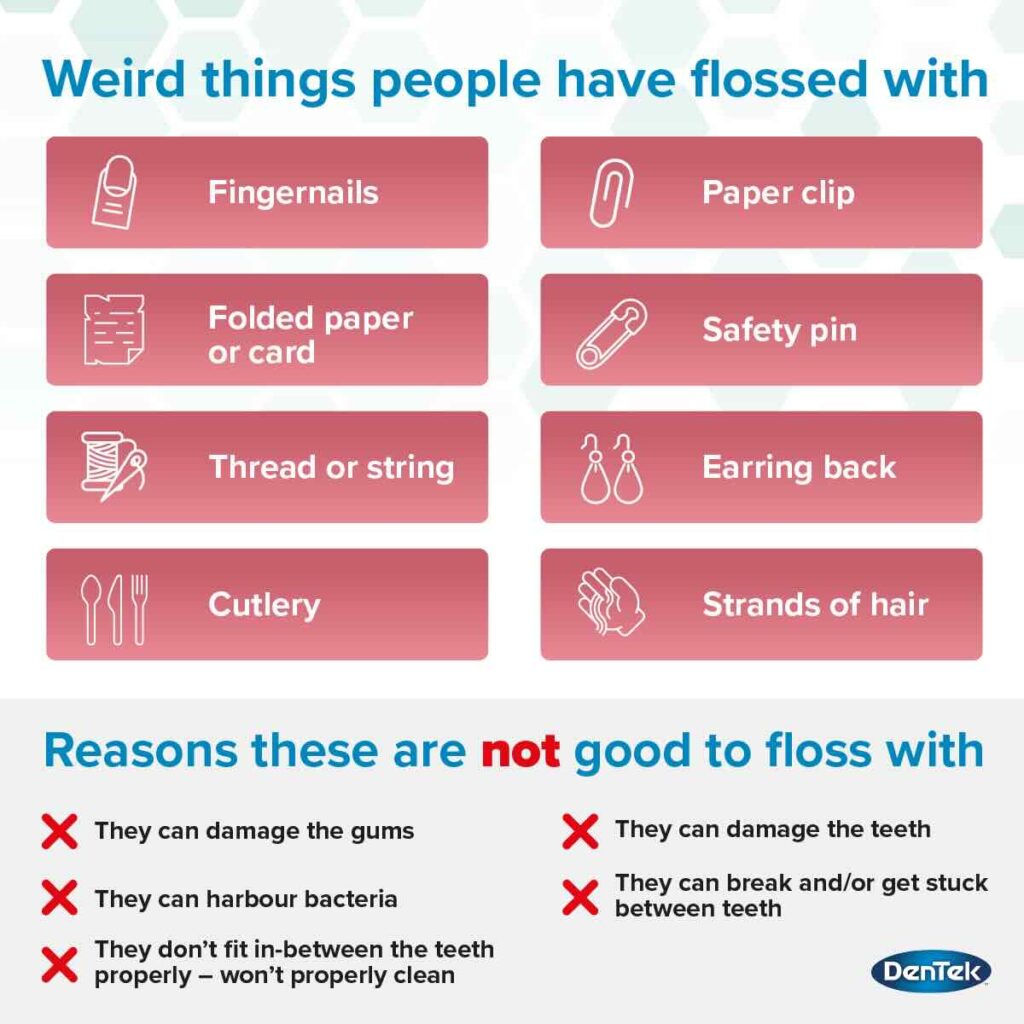
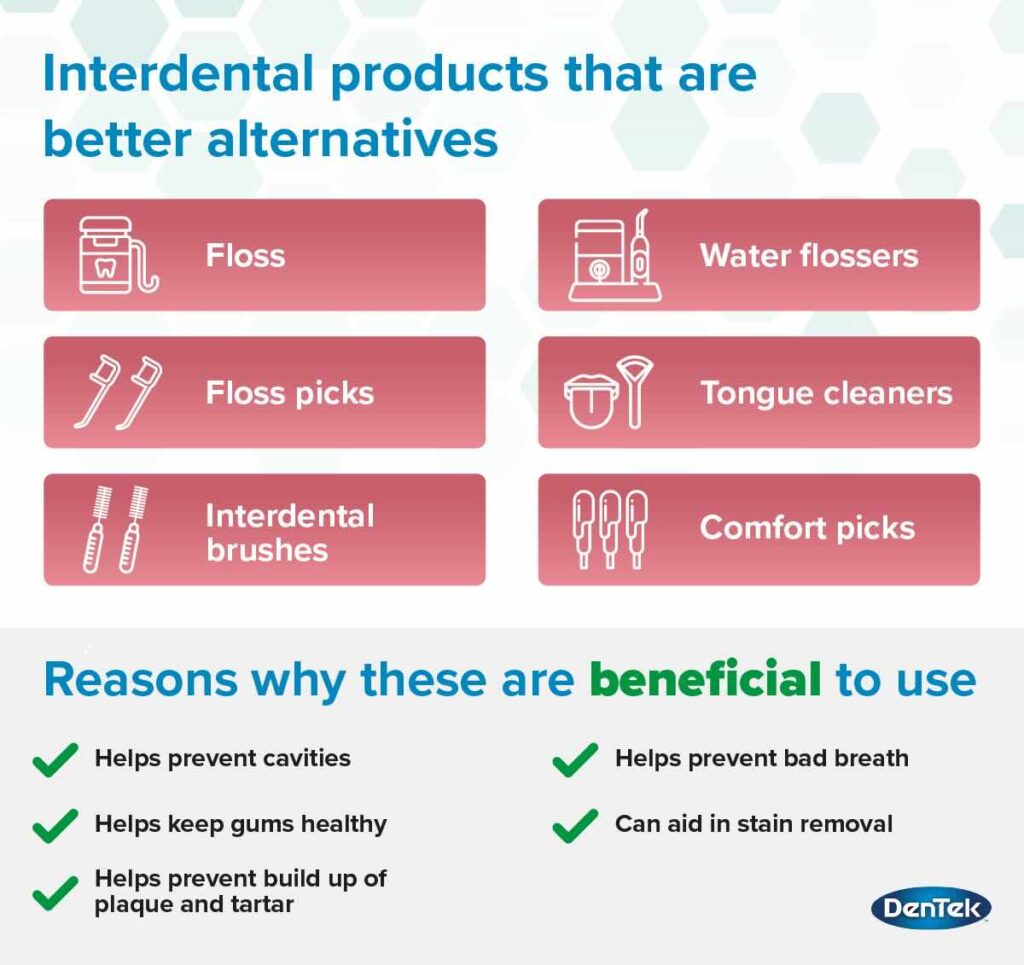
Instead, we should guide our children towards proper dental health products. The article mentions several safe alternatives:
- Dental floss
- Floss picks
- Interdental brushes
- Water flossers
- Comfort picks
These products are designed specifically for oral hygiene and are much safer and more effective than makeshift solutions.
The Ripple Effects of Improving Children’s Dental Hygiene
It’s worth explaining to our children why we’re so keen on them taking care of their teeth and gums. Some key benefits to highlight include:
- Cavity Prevention: Regular brushing and flossing help remove plaque that can lead to cavities.
- Healthy Gums: Proper oral care keeps gums healthy and prevents gum disease.
- Fresh Breath: Good oral hygiene helps prevent bad breath, which can boost confidence.
- Overall Health: There’s a strong link between dental health and overall body health.
- Bright Smiles: A healthy mouth leads to a beautiful smile, which can enhance self-esteem.
Tackling Dental Anxiety
Many children (and adults!) feel nervous about dental visits. Here are some strategies to help ease this anxiety:
- Early Introduction: Take your child for their first dental visit around their first birthday. This helps them get used to the environment from a young age.
- Positive Language: Use encouraging words when talking about the dentist. Avoid phrases like “It won’t hurt much” which can inadvertently create negative associations.
- Role Play: Set up a pretend dentist’s office at home and take turns being the dentist and patient.
- Comfort Items: Allow your child to bring a favourite toy or comfort item to their appointment.
- Praise and Rewards: Offer genuine praise for bravery and consider a small reward after dental visits.
The Power of Consistency
Consistency is key when it comes to children’s oral care. It’s not enough to have occasional reminders to brush teeth. We need to establish a regular routine and stick to it. This might mean setting specific times for dental care (like right after breakfast (although bear in mind that it’s recommended to wait 20-30 minutes after eating or drinking anything other than plain water before brushing your teeth) and before bed) and making sure these times are non-negotiable.
Schools and Children’s Oral Health
While the primary responsibility for children’s tooth care lies with us parents, schools can also play a valuable supporting role. Many schools now include dental health in their curriculum, teaching children about the importance of brushing and healthy eating. As parents, we can reinforce these lessons at home and even suggest tooth-related topics for school projects.
Toothy Technology
In this digital age, we can harness technology to make dental hygiene more engaging for our tech-savvy kids. There are numerous apps designed to make brushing fun, with timers, rewards and even augmented reality features. Some electric toothbrushes come with companion apps that track brushing habits and offer personalised tips.
The Role of Diet
While we often focus on brushing and flossing, diet plays a crucial role in our children’s oral care. Encourage a balanced diet rich in calcium for strong teeth, and crunchy fruits and vegetables that can help clean teeth naturally. Limit sugary and acidic foods and drinks and, if they are consumed, encourage rinsing with water afterwards.
Leading by Example
One of the most powerful tools in our parental toolkit is our own behaviour. Children often mimic what they see so make sure you’re practicing good dental hygiene habits yourself. Let your kids see you brushing and flossing regularly and talk positively about your own dental experiences.
Navigating the world of children’s oral health isn’t always smooth sailing but with a bit of creativity, consistency and patience we can help our little ones develop habits that will keep their smiles bright and healthy for years to come. Remember, every small step towards better tooth care is a victory. So, here’s to happy brushing, fantastic flossing and beaming smiles all around!




My son used to be terrible at brushing his teeth and regularly had meltdowns when my wife and I tried to get him to use his toothbrush. He is autistic and I think he finds it overwhelming and also doesn’t like the taste or texture of toothpaste. We did some research on this and found some alternative options that I am pleased to say worked so now his teeth are in better shape, which is good for him. His dentist is very pleased to see less decay and better gum health. The thing that worked best for us was thinner toothpaste that has a neutral taste rather than minty.
Lots of great info here, I think the best thing is to make it fun whilst also underlining the importance of good oral hygiene throughout life. If we just make it a game the kids might grow out of it, whereas if they understand the seriousness and why it is necessary to look after our teeth they will be more likely to adopt these habits for their lifetime rather than thinking it’s just a thing for kids, if that makes sense?
My youngest child used to secretly eat toothpaste out of the tube. We had no idea but when he kept getting tummy aches we took him to the doctor and after some persuasion he finally told us what he’d been doing. We now have to keep the toothpaste out of his reach in a locked cupboard and he is allowed to put it on his toothbrush under supervision and then the tube goes right back into the locked cupboard. He still sucks all the paste off the brush before actually brushing so I am not sure what good it does. I am hoping he’ll grow out of it soon as at some point he’ll need to use toothpaste without supervision but for now we’re trying our best to keep him safe.