Maximalism: The Vibrant Revival of Bold Colours and Patterns in Home Decor
In recent years, a refreshing shift has swept through the realm of interior design, breathing new life into our living spaces. After a prolonged period dominated by minimalist aesthetics and neutral palettes, maximalism has made a triumphant return, transforming homes into vibrant, expressive sanctuaries that celebrate individuality and personal style.
What is Maximalism?
At its core, maximalism is an approach to design that embraces abundance, boldness and self-expression. It’s about creating spaces that are rich in colour, pattern and texture, where every element tells a story and contributes to a larger, more complex narrative.
Key Elements of Maximalist Design
- Bold Colours: Maximalism thrives on vibrant hues and unexpected colour combinations. Think jewel tones, deep blues and rich greens paired with pops of bright yellow or fuchsia.
- Pattern Play: In maximalist interiors, patterns aren’t just accents—they’re the main event. Floral wallpapers, geometric rugs and striped upholstery coexist in harmonious chaos.
- Layered Textures: From plush velvets to rough-hewn woods, maximalism celebrates a variety of tactile experiences within a single space.
- Eclectic Furnishings: Maximalist rooms often feature a mix of furniture styles, eras and origins, creating a curated look that’s uniquely personal.
- Statement Pieces: Oversized art, dramatic light fixtures and eye-catching accessories take centre stage in maximalist design.
The Appeal of Maximalism
The resurgence of maximalism reflects a broader cultural shift towards individuality and self-expression. In an era where personal branding extends to every aspect of our lives, our homes have become powerful tools for showcasing our unique tastes and experiences.
Maximalism offers a refreshing alternative to the often sterile and impersonal feel of minimalist spaces. It allows homeowners to surround themselves with objects they love, creating environments that are not just visually stimulating but emotionally resonant as well.
Incorporating Maximalism into Your Home
If you’re intrigued by the idea of maximalism but unsure where to start, here are some tips to help you embrace this bold design philosophy:
- Start with a Focal Point: Choose one element—be it a vibrant wallpaper, a bold piece of art or a statement rug—and build your room around it.
- Layer Thoughtfully: While maximalism encourages abundance, there’s still an art to layering. Ensure each element complements the others, creating a cohesive look despite the apparent chaos.
- Mix and Match Patterns: Don’t be afraid to combine different patterns. The key is to vary the scale—pair large-scale prints with smaller, more intricate designs for visual balance.
- Embrace Colour: Maximalism is all about bold, saturated hues. If you’re colour-shy, start with a neutral base and gradually introduce brighter shades through accessories and artwork.
- Curate Your Collections: Use your space to showcase collections, travel souvenirs or artwork that speaks to you. These personal touches are what give maximalist interiors their unique character.
- Play with Scale: Mix large statement pieces with smaller, intricate items for visual interest. An oversized lamp or a grand mirror can add drama to a space filled with smaller decorative objects.
Maximalism in Different Rooms
While maximalism can work in any part of the home, here’s how you might approach it in different spaces:
Living Room
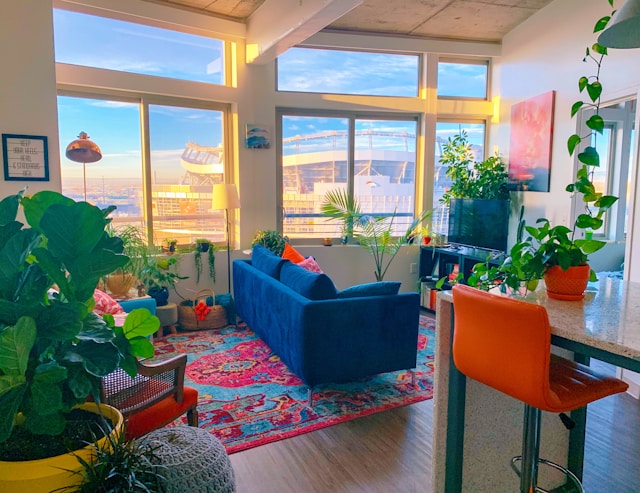
The living room is often the heart of maximalist design. Here, you can really let your creativity shine. Consider a bold wallpaper as a backdrop for a gallery wall of eclectic art pieces. Layer rugs for added texture and warmth. Mix different seating styles—perhaps a classic Chesterfield sofa with mid-century modern armchairs—for an eclectic yet cohesive look.
Bedroom
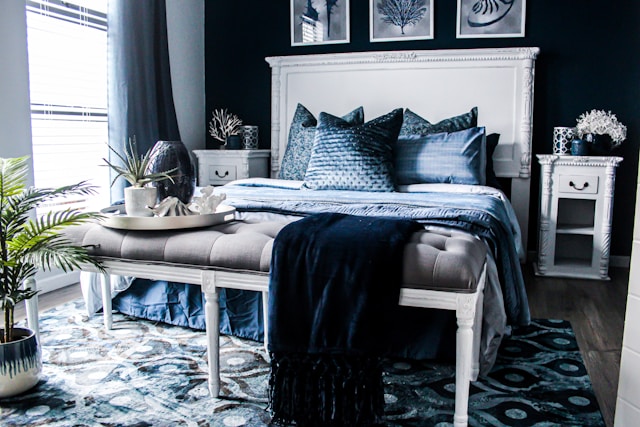
In the bedroom, maximalism can create a cosy, enveloping atmosphere. Start with a statement headboard—perhaps in a rich, jewel-toned velvet—and build from there. Mix and match bedding patterns, add a plush area rug, and don’t shy away from bold window treatments.
Kitchen
Even in functional spaces like the kitchen, maximalism can make a statement. Consider patterned tiles for a backsplash or floor, or opt for boldly coloured cabinetry. Open shelving provides an opportunity to display colourful crockery and unique kitchen accessories.
Bathroom
The bathroom offers a perfect canvas for maximalist experimentation. Bold wallpaper, patterned tiles and statement lighting can transform even the smallest powder room into a jewel box of design.
The Future of Maximalism
As we look ahead, it’s clear that maximalism is more than just a passing trend. It represents a fundamental shift in how we think about our living spaces—not just as functional areas, but as extensions of our personalities and experiences.
The beauty of maximalism lies in its flexibility. It’s not about adhering to strict rules or following a prescribed formula. Instead, it encourages homeowners to trust their instincts, embrace their passions and create spaces that truly reflect who they are.
Whether you’re drawn to the eclectic charm of vintage-inspired pieces or the sleek sophistication of modern design, there’s a way to incorporate maximalist elements into your home. The key is to approach the style with a sense of playfulness and experimentation, allowing your individual taste to shine through.
As we continue to seek out ways to express our individuality and create truly one-of-a-kind living spaces, maximalism offers a refreshing and exciting approach to interior design. It challenges us to be bold, to take risks and to surround ourselves with the things we love.
So go ahead—embrace the colours, patterns and textures that speak to you. Fill your home with objects that tell your story. After all, in the world of maximalism, more isn’t just more—it’s an opportunity to create a space that’s uniquely, unabashedly you.