
Safeguard Your Property Renovation With These Essential Temporary Protection Products
Property renovation projects require meticulous planning and execution. One often overlooked aspect of these undertakings is the implementation of temporary protection measures. These safeguards are crucial for preserving the integrity of both the existing structure and newly completed work during the renovation process. Let’s investigate some of the most effective temporary protection products that can make all the difference during your property renovation project.
The Importance of Temporary Protection in Property Renovation
Before looking at specific products, it’s worth understanding why temporary protection is so vital in property renovation. During these works, various areas of a property are exposed to potential damage from foot traffic, debris, spills and construction activities. Implementing proper protection measures can:
- Prevent costly damage to existing fixtures and finishes
- Maintain the quality of newly completed work
- Reduce clean-up time and costs
- Enhance overall project efficiency
- Demonstrate professionalism and attention to detail
Now, let’s examine some of the best products that can help achieve these goals during your project.
Top Temporary Protection Products
1. Heavy-Duty Floor Protection
Flooring is often one of the most vulnerable areas during a property renovation. Whether you’re dealing with hardwood, tile or carpeted surfaces, adequate protection is essential.
Recommended Products:
- Corrugated plastic sheets
- Self-adhesive carpet protection film
- Temporary flooring boards
These products create a durable barrier against scratches, spills and heavy foot traffic, ensuring that the floors remain in pristine condition throughout the renovation process.
2. Wall and Door Protection
Walls and doors are prone to scuffs, dents and paint splatters during renovation works. Implementing proper protection can save time and money on repairs later.
Recommended Products:
- Foam-backed protection boards
- Door jamb protectors
- Corrugated cardboard sheets
These items provide a robust shield for walls and doors, preventing accidental damage from tools, equipment and materials as they are moved through the property.
3. Stair Protection
Staircases often serve as main thoroughfares during renovation works, making them particularly susceptible to wear and tear.
Recommended Products:
- Non-slip stair treads
- Temporary stair risers
- Staircase protection systems
These options not only protect the stairs from damage but also enhance safety for workers going upstairs and downstairs as they complete the work.
4. Window and Glass Protection
Windows and glass surfaces require special attention to prevent scratches, cracks or breakage.
Recommended Products:
- Window film protectors
- Corrugated plastic sheets
- Temporary protective glazing
By using these products, you can safeguard the windows and glass surfaces from accidental impacts and debris whilst maintaining natural light in the renovation area.
5. Dust Control Solutions
Dust management is a critical aspect of any property renovation project, affecting both the quality of work and the health of those on site.
Recommended Products:
- Zip walls and dust barriers
- HEPA air scrubbers
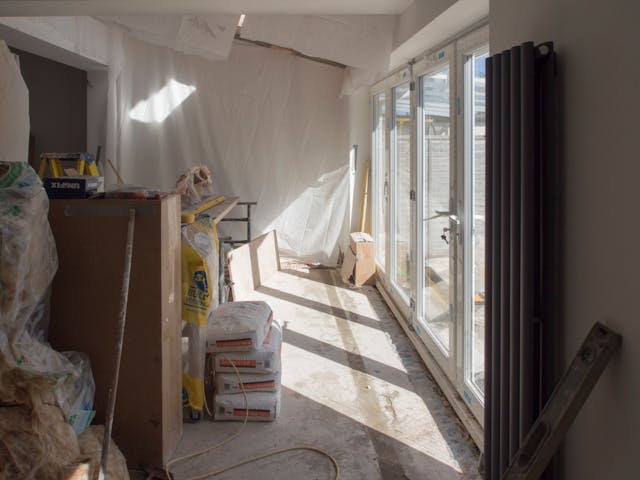
- Polythene sheeting for creating temporary partitions
These solutions help contain dust within specific areas, improving air quality and reducing the spread of debris throughout the property.
6. Surface Protection Films
Adhesive films offer versatile protection for various surfaces, including countertops, appliances and fixtures.
Recommended Products:
- Self-adhesive protection films
- Peel-and-stick temporary surface covers
- Liquid-applied peelable coatings
These products provide a custom-fit barrier that’s easy to apply and remove, leaving no residue behind.
7. Temporary Protective Coatings
For certain surfaces, liquid-applied coatings can offer superior protection.
Recommended Products:
- Peelable rubber coatings
- Temporary protective lacquers
- Spray-on protective films
These coatings form a durable, removable layer that shields surfaces from scratches, spills and other potential damage.
Implementing Temporary Protection
When utilising these products, keep the following tips in mind:
- Assess the Specific Needs: Every property renovation is unique. Evaluate the particular requirements of your project to determine which protection products are most appropriate.
- Quality Matters: Invest in high-quality protection products. While it may seem tempting to cut costs here, superior products offer better protection and can prevent costly damages.
- Proper Installation: Ensure that all temporary protection products are correctly installed. Improper application can lead to inadequate protection or even cause damage itself.
- Regular Inspections: Throughout the property renovation process, regularly inspect and maintain your temporary protection measures. Replace or repair any damaged protection promptly.
- Educate the Team: Make sure all workers on the project understand the importance of maintaining the temporary protection measures and how to work around them effectively.
- Remove with Care: When the property renovation is complete, remove all temporary protection products carefully to avoid any last-minute damage.
By incorporating these temporary protection products and following best practices you can significantly reduce the risk of damage during your property renovation project. This approach not only preserves the quality of your work but also demonstrates a commitment to professionalism and attention to detail.
The use of temporary protection is an investment that pays dividends throughout the renovation process and beyond. By safeguarding surfaces, controlling dust and maintaining a clean work environment, you create the conditions for a successful property renovation that meets or exceeds expectations.
As you plan your next renovation project, make the implementation of temporary protection a priority – you, your team and your future customers will appreciate the foresight and care you’ve taken to preserve the property’s value and appearance.




We’re thinking of buying a property to renovate, we’ve done small projects before but nothing on a bigger scale so don’t know much about really stripping a place back. I’ve bookmarked this post to come back to later on as no doubt it will be very useful indeed, cheers mate!