
From Sofa to Safari: The Rise of the Virtual Tourist
Lately, it feels a little as if our living rooms have become our departure lounges, and a new breed of globetrotter is emerging: the virtual tourist. As travel restrictions and safety concerns reshape our holiday plans, technology is opening up exciting new avenues for exploration. Let’s embark on a journey through the digital landscape of virtual tourism and discover how it’s transforming the way we experience the world.
What Exactly is a Virtual Tourist?
A virtual tourist is someone who uses technology to experience destinations and attractions without physically being there. This could involve anything from 360-degree videos and virtual reality (VR) tours to live-streamed guided walks and interactive museum exhibits. The beauty of being a virtual tourist lies in its accessibility—all you need is an internet connection and a device to start your adventure.
The Virtual Tourist Toolkit
To fully embrace the role of a virtual tourist, you’ll want to familiarise yourself with some key tools:
- Virtual Reality Headsets: While not essential, VR headsets can significantly enhance your immersion in digital environments.
- Smartphone or Tablet: Many virtual tours are designed for mobile devices, making them perfect for on-the-go exploration.
- Computer: For more detailed virtual experiences, a desktop or laptop computer often provides the best viewing experience.
- Fast Internet Connection: To ensure smooth streaming of high-quality content, a reliable internet connection is crucial.
Top Destinations for the Virtual Tourist
As a virtual tourist, the world truly is your oyster. Here are some unmissable digital destinations:
1. The Louvre, Paris
The world’s most visited museum offers virtual tours of several exhibitions, including the Egyptian Antiquities collection. As a virtual tourist, you can zoom in on masterpieces like the Mona Lisa without jostling for position in a crowded gallery.
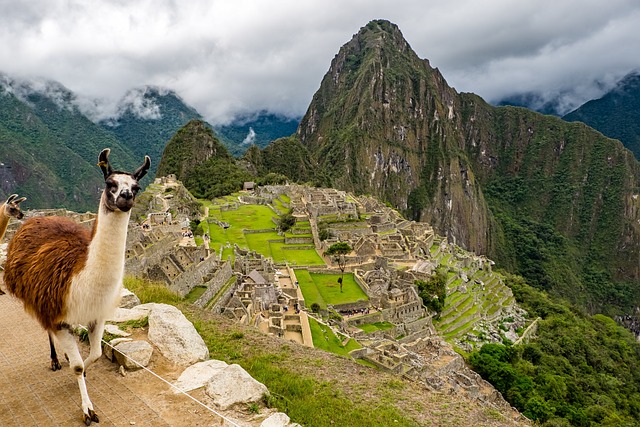
2. Machu Picchu, Peru
Trek the Inca Trail from the comfort of your sofa with YouVisit’s 360-degree tour of this ancient wonder. The tour includes informative pop-ups, giving you a deeper understanding of the site’s history and significance.
3. The Great Wall of China
China’s most famous landmark is now accessible to virtual tourists through The China Guide’s virtual tour. Walk along sections of the wall and enjoy panoramic views of the surrounding landscape.
4. The Great Barrier Reef, Australia
Dive into the vibrant underwater world of the Great Barrier Reef with David Attenborough’s interactive journey. This virtual experience allows you to explore the reef’s ecosystem in stunning detail.
The Benefits of Being a Virtual Tourist
While nothing can fully replace the sensory experience of physical travel, being a virtual tourist offers unique advantages:
- Accessibility: Virtual tourism makes travel possible for those with physical limitations or financial constraints.
- Eco-friendly: By reducing the need for physical travel, virtual tourism can help lower carbon emissions.
- Time-efficient: Visit multiple destinations in a single day without worrying about travel time or jet lag.
- Cost-effective: Experience world-class attractions without the expense of flights, accommodation and entry fees.
- Preparation: Use virtual tours to plan future trips, getting a feel for destinations before committing to a physical visit.
Challenges and Limitations
It’s important to acknowledge that virtual tourism isn’t without its drawbacks. As a virtual tourist, you might miss out on:
- The sensory experiences of smell, taste, and touch that make travel so immersive
- Spontaneous interactions with locals and other travellers
- The personal growth that often comes from navigating unfamiliar environments
However, these limitations are balanced by the unique opportunities that virtual tourism presents.
The Future of Virtual Tourism
As technology continues to advance, the experiences available to virtual tourists are set to become even more immersive and interactive. We can expect to see developments such as:
- Haptic feedback technology to simulate touch sensations
- AI-powered virtual guides offering personalised tours
- Integration of augmented reality (AR) to blend virtual elements with our physical surroundings
These innovations promise to further blur the lines between physical and virtual travel, offering ever more engaging experiences for the virtual tourist.
Embracing Your Inner Virtual Tourist
Whether you’re using virtual tourism as a stopgap until you can travel physically again or as a long-term alternative to traditional travel there’s never been a better time to explore the world digitally. Here are some tips to get the most out of your virtual adventures:
- Set the scene: Create an atmosphere that matches your virtual destination. If you’re ‘visiting’ a beach, why not turn up the heating and sip a tropical cocktail?
- Engage all your senses: While virtual tours primarily engage sight and sound, you can enhance the experience by incorporating relevant scents or tastes.
- Make it social: Share your virtual experiences with friends and family. Many platforms allow for group tours, making it a fun shared activity.
- Keep an open mind: Virtual tourism might feel strange at first but approach it with curiosity and enthusiasm and you might be surprised by how rewarding it can be.
- Use it as inspiration: Let your virtual travels inspire future real-world adventures. Keep a list of places you’d like to visit in person someday.
The world of virtual tourism is constantly evolving, offering new and exciting ways to explore our planet. While it may not replace physical travel entirely, it provides a valuable complement to traditional tourism, opening up a world of possibilities for the curious explorer. So why not give it a try? Your next adventure as a virtual tourist could be just a click away.






It’s amazing how many places are accessible online these days, what would we do without the internet? I can’t imagine what the pandemic would have been like without being able to go online and be a virtual tourist like you say or even to communicate with friends and family and work online. Even communicating information about Covid-19 was made so much easier thanks to the internet. I’ve definitely become a bit of a virtual tourist myself, before I go anywhere I always check it out online first and learn about it to make sure it’s the right destination for me and my family.
As a disabled person, I love being a virtual tourist! It means I get to see remote corners of the world that I can never hope to get to myself and it’s better than watching a tv documentary as those always have some sort of angle or agenda. I get to choose where I ‘visit’ and how long for, and what I spend the longest looking at. Like the previous commenter has said, the internet has been so great at opening up the world to those of us who can’t get everywhere.